Explore the Virtual World of Beauty Products
The online beauty marketplace has revolutionized the way consumers shop for beauty products. It offers a vast array of options, from high – end luxury brands to affordable drugstore finds. In this article, we will delve into the various aspects of this digital beauty haven.
Market Growth and Trends
The online beauty marketplace has witnessed exponential growth in recent years. With the increasing penetration of the internet and the rise of smartphones, more and more consumers are turning to online platforms to purchase their favorite beauty products. According to market research firms, the global online beauty market is expected to continue its upward trajectory in the coming years.
One of the prominent trends in this market is the preference for natural and organic beauty products. Consumers are becoming more health – conscious and are actively seeking products that are free from harmful chemicals. For example, brands like Dr. Bronner’s, which offers natural soaps and body care products, have seen a significant increase in online sales. Another trend is the rise of personalized beauty. Companies like Sephora offer virtual consultations and personalized product recommendations based on a customer’s skin type, tone, and preferences.
The influence of social media cannot be underestimated in driving the growth of the online beauty marketplace. Platforms like Instagram and YouTube have become powerful marketing tools for beauty brands. Beauty influencers with large followings can promote products and create a buzz around new launches. For instance, when a popular beauty YouTuber reviews a new eyeshadow palette, it can lead to a surge in online sales of that product.
Product Range and Diversity
The online beauty marketplace boasts an incredibly wide product range. It includes skincare products such as cleansers, toners, moisturizers, serums, and masks. There is a product for every skin concern, whether it’s acne, aging, dryness, or sensitivity. For example, La Mer’s The Concentrate is a high – end serum known for its anti – aging properties, while CeraVe’s Hydrating Facial Cleanser is a popular and affordable option for dry skin.
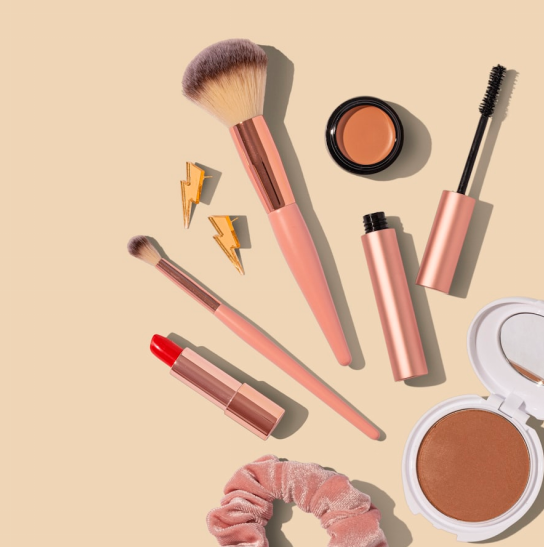
Makeup is another major category in the online beauty market. It encompasses foundations, concealers, eyeshadows, lipsticks, and more. Brands like MAC, NARS, and Fenty Beauty offer a diverse range of shades to suit different skin tones. Fenty Beauty, launched by Rihanna, made waves in the industry by offering a wide range of foundation shades for people of all ethnicities, which was a game – changer in the makeup market.
Haircare products are also well – represented in the online space. Shampoos, conditioners, hair treatments, and styling products are readily available. Brands like OGX and Moroccanoil have a large customer base. OGX offers a variety of affordable shampoos and conditioners with different formulas for various hair types, while Moroccanoil’s argan – oil – based products are known for their nourishing and styling benefits.
Fragrances are also a significant part of the online beauty marketplace. From classic scents like Chanel No. 5 to trendy, niche fragrances, consumers can find a wide selection. Online platforms often offer exclusive deals and limited – edition fragrances that may not be available in physical stores.
Consumer Experience and Convenience
One of the biggest advantages of the online beauty marketplace is the convenience it offers. Consumers can shop from the comfort of their homes at any time of the day or night. They don’t have to deal with traffic, parking, or long queues at physical stores. For example, a busy working professional can quickly browse through a beauty website during their lunch break and place an order.
Online platforms also provide detailed product information. Consumers can read product descriptions, ingredients lists, and customer reviews before making a purchase. This helps them make more informed decisions. For instance, if a consumer is considering a new anti – wrinkle cream, they can read reviews from other users who have tried the product and get an idea of its effectiveness.
Many online beauty retailers offer free shipping and returns. This reduces the risk for consumers. If they are not satisfied with a product, they can easily return it. Sephora, for example, offers free shipping on orders over a certain amount and a hassle – free return policy.
Virtual try – on technology is another feature that enhances the consumer experience. Some online beauty stores allow consumers to virtually try on makeup products using their webcam. This gives them a better idea of how a product will look on their face before they buy it. L’Oréal’s Makeup Genius app is a great example of this technology, allowing users to try on different makeup looks.
Challenges and Competition
Despite its many advantages, the online beauty marketplace also faces several challenges. One of the main challenges is the issue of counterfeit products. With the large number of sellers on online platforms, it can be difficult to ensure the authenticity of products. For example, some unauthorized sellers may sell fake luxury beauty products at a lower price, which can damage the reputation of both the brand and the online marketplace.
Competition in the online beauty market is fierce. There are numerous online retailers and brands vying for consumers’ attention. To stand out, companies need to invest in marketing, product innovation, and customer service. For instance, new and emerging beauty brands need to find unique selling points to compete with established brands like Estée Lauder and L’Oréal.
Another challenge is data security and privacy. Online beauty platforms collect a significant amount of customer data, including personal information, purchase history, and preferences. Ensuring the security of this data is crucial to maintain customer trust. Any data breach can lead to a loss of customers and damage to the brand’s reputation.
Logistics is also a challenge in the online beauty marketplace. Delivering fragile beauty products, especially those with liquids or glass packaging, requires careful handling. Delays in shipping can also lead to customer dissatisfaction. For example, if a customer orders a new lipstick for a special occasion and it arrives late, they are likely to be unhappy with the service.
Future Outlook
The future of the online beauty marketplace looks promising. With advancements in technology, we can expect to see even more personalized shopping experiences. For example, artificial intelligence can be used to analyze a customer’s skin condition in real – time through a smartphone camera and recommend the most suitable beauty products.
Augmented reality (AR) and virtual reality (VR) are likely to play a bigger role in the online beauty shopping experience. Consumers may be able to virtually visit a beauty store, interact with products, and try on makeup in a more immersive way. For instance, a consumer could use VR to attend a virtual makeup masterclass hosted by a famous beauty artist.
The growth of the online beauty marketplace in emerging markets is also expected to continue. As internet access and disposable income increase in countries like India, Brazil, and Nigeria, more consumers in these regions will turn to online platforms to buy beauty products. This presents a huge opportunity for beauty brands and online retailers to expand their customer base.
Furthermore, sustainability will become an even more important factor in the online beauty marketplace. Consumers will demand more eco – friendly packaging, cruelty – free products, and sustainable sourcing practices. Brands that embrace sustainability will be better positioned to succeed in the future.